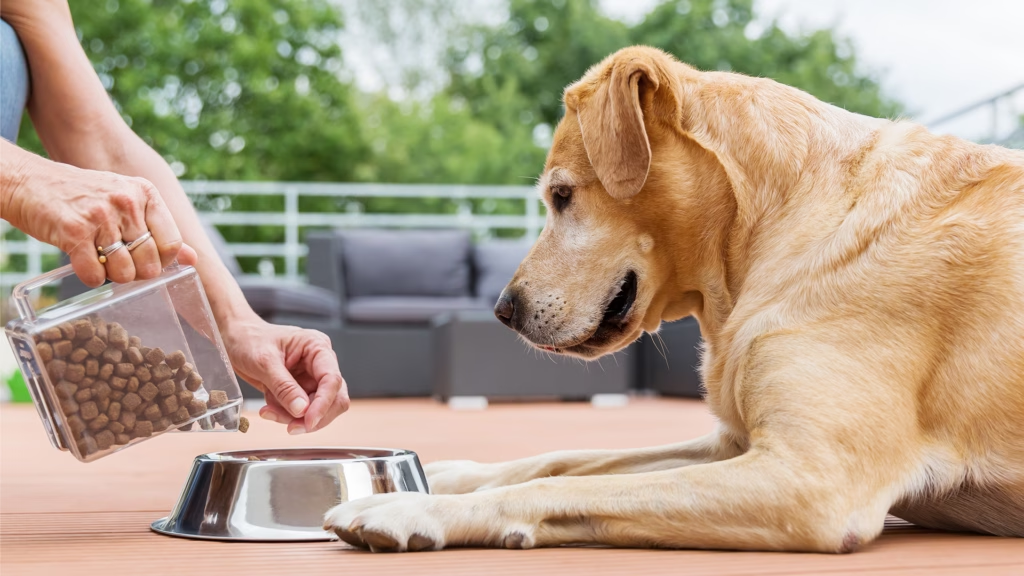
Switching dog food can look a little different for every pet owner. For some, it’s no big deal. For others, it can come with a few messy, smelly bumps along the way. How smoothly it goes often depends on your dog, the transition plan and how different the new food is from the old one.
The good news is that plenty of pet owners have made the switch successfully, and there are a few widely recommended guidelines that can help you transition your dog’s food safely and smoothly.
Common reasons to switch dog food
There are plenty of reasons to switch your dog to a new food. Maybe it’s time to switch your puppy to adult dog food or move your adult dog to a senior formula.
Your veterinarian may recommend a new diet or brand to help manage your dog’s weight, support healthy skin and coat or support healthy digestion.
Maybe you simply think your dog would love Kibbles ‘n Bits™ Savory Bacon & Steak Flavor Dry Dog Food or a meaty option from Gravy Train™. Or you might be ready to get started with a rotational feeding plan.
Sometimes, the decision comes down to brand values. A pet owner may want to support a brand that gives back to animals in need, like Rachael Ray® Nutrish™ dog foods.
Other times, the change is out of your hands. A manufacturer may discontinue your go-to dog food or adjust the recipe, or your local store may stop carrying it.
Whatever the reason, there are a few simple steps you can take to help make the transition to a new dog food easier on both you and your pup.
Before you switch: Talk to your vet
Step one is to talk to your veterinarian. They can help confirm that any new dog food provides complete and balanced nutrition for your dog’s life stage while also guiding you through any special dietary needs
Your vet may also have helpful tips for changing your dog’s food and can work with you to create a transition plan that fits your pet’s needs.
Step-by-step transition schedule
The key to a successful dog food switch is making the transition gradually. For many dogs, this can be done over the course of about a week.
- Days 1-2: 25% new food/75% old food
- Days 3-4: 50% new food/50% old food
- Days 5-6: 75% new food/25% old food
- Day 7: 100% new food
Special cases: When to go slower
If your dog has a sensitive stomach or known food sensitivities, it may be best to move more slowly and extend the transition period to two weeks or longer.
A two-week dog food transition plan might look like this:
- Days 1-4: 25% new food/75% old food
- Days 5-8: 50% new food/50% old food
- Days 9-11: 75% new food/25% old food
- Days 12-14: 100% new food
What to watch for during the transition
As you transition to the new dog food, keep a close eye on how your dog responds, especially when it comes to stool quality. Mild digestive changes can happen as your dog adjusts, but if soft stools continue, it’s a good idea to check in with your veterinarian and consider whether a different food may be a better fit.
Other things to monitor include:
- Nausea or vomiting
- Changes in appetite
- Itching, skin inflammation or rashes
- Hair loss
If you notice any of these symptoms, contact your veterinarian for guidance.
Rotational feeding considerations
Some pet owners choose rotational feeding, which means switching between different dog foods on a regular basis. This approach may help add variety at mealtime and expose dogs to different protein sources, but it’s still important to transition gradually and watch for any signs that a food isn’t agreeing with your pet.
Even with rotational feeding, the same rule applies: Make changes gradually and monitor your dog for any adverse reactions.
It may also help to rotate protein sources within a brand you already trust. For example, you might rotate among options like these from Nature’s Recipe™:
- Nature’s Recipe Lamb, Barley & Brown Rice Recipe Dry Dog Food
- Nature’s Recipe Freeze Dried Blend Chicken, Barley & Brown Rice Recipe with Freeze Dried Chicken Bites
- Nature’s Recipe Grain Free Salmon, Sweet Potato & Pumpkin Recipe Dry Dog Food
How to add raw ingredients to your pet’s diet
Some pet owners choose to add fresh, dog-safe ingredients during a food transition to make meals more appealing.
Rachael Ray® Nutrish™ offers recipe inspiration that can help you incorporate fresh, dog-approved ingredients into mealtime while making the transition to Nutrish™ dog food feel a little more exciting.
Make the switch with confidence
Switching dog food doesn’t have to feel overwhelming. With a gradual transition, close attention to your dog’s response and support from your veterinarian, you can help make the change as smooth as possible.
When you’re ready to make the switch, select your favorite brand and use our store locator to find the right dog food option near you.