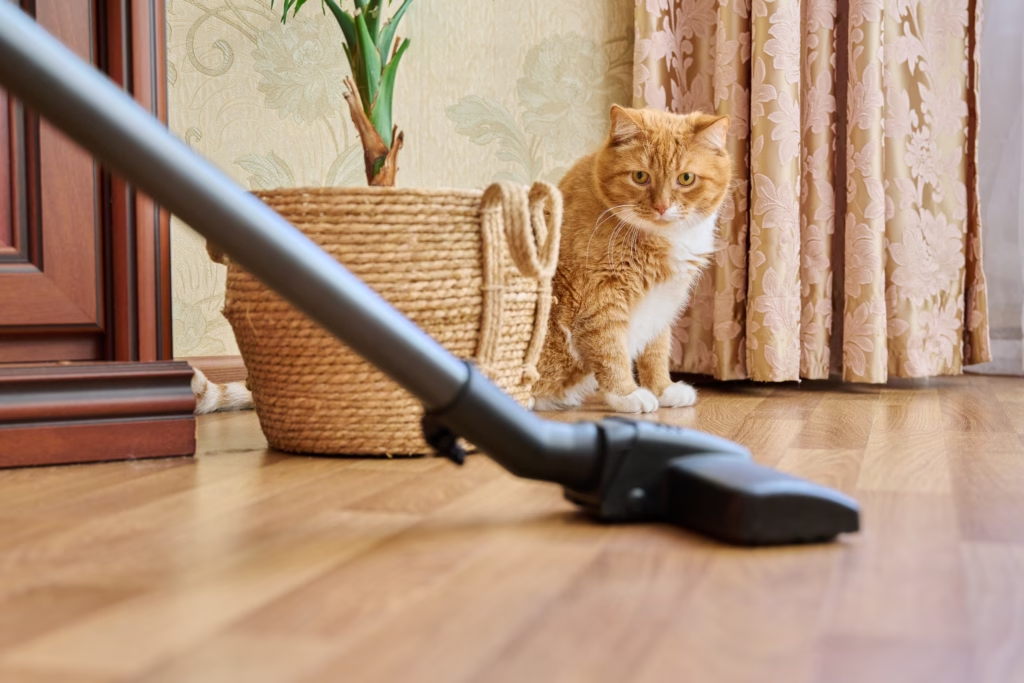
Spring cleaning with pets is more than sparkling floors and clutter-free closets. It’s an opportunity to refresh your home to give dogs, cats and humans a safer, more comfortable environment.
We’re breaking down what to wash, toss and replace—plus a few simple tips to keep your home fresh while prioritizing your pet’s health.
What to wash
Regular washing removes dirt and bacteria that build up over time, especially in items your pet uses daily.
Pet bedding
Pet beds collect fur, dander, drool and outdoor debris faster than you might think. Washing bedding every few weeks helps reduce odors and allergens that can irritate both pets and people. Follow the care label instructions, use a pet-safe detergent and dry thoroughly to prevent mildew.
Toys
Soft toys and rubber or plastic toys are magnets for saliva, germs and grime. Many plush toys can go straight into the washing machine (remember pet-safe detergent) on a gentle cycle, while harder toys can be scrubbed with warm, soapy water. Dry toys completely before returning them to your pet.
Food and water bowls
Pet bowls should be washed daily to prevent bacteria from building up. Stainless steel and ceramic bowls are dishwasher-safe, while plastic bowls should be hand-washed and checked regularly for scratches that can harbor bacteria.
While you’re at it, now is a good time to evaluate what you’re feeding your pet. Explore our dog food products from Rachael Ray® Nutrish™, Kibbles ‘n Bits™, Nature’s Recipe™ and Gravy Train™. For cats, try 9Lives™ or Rachael Ray Nutrish.
Upholstery and blankets
Blankets, throws, and upholstered surfaces your pet loves should be cleaned regularly to manage pet hair and odor. Refer to the manufacturer’s instructions before washing or using cleaners to avoid damage. Vacuuming upholstery between washes can also help extend time between deep cleans.
What to toss and replace
Some items are better replaced than refreshed, especially when they’re worn, unsafe or expired.
Old food, treats and medications
Check expiration dates on pet food, treats and medications during your spring cleaning. Expired products can lose nutritional value or become unsafe to consume. Follow local regulations when disposing of old medications. Make sure you’re storing pet food properly to help maintain the quality.
If you’re looking for new dog treats to swap in, try Kibbles ‘n Bits Just The Bits Bacon Flavor Dog Treats or Rachael Ray Nutrish Savory Roasters Chicken Recipe Dog Treats.
Plastic litter boxes
Over time, plastic litter boxes can develop scratches that trap odor-causing bacteria, even with regular cleaning. If your litter box is showing signs of wear, replacing it can make a noticeable difference in eliminating odor. A good general guideline is to replace plastic litter boxes every one to two years.
Worn out toys
Toys that are torn or falling apart can pose a choking hazard and take up unnecessary space. If a toy is no longer safe to play with, it’s time to toss it and replace it with something sturdy that supports healthy play.
Tips for keeping your home clean while prioritizing pet safety
A clean home and a pet-friendly home can coexist.
Vacuum often
Frequent vacuuming helps remove dander, dust, and pollen that can trigger allergies for both you and your pet. Focus on high-traffic areas, pet beds and furniture to keep allergens under control. Vacuuming often can also help extend the life of your carpet.
Improve air quality
Using air purifiers and opening windows can help reduce airborne bacteria and odors. Fresh air circulation supports a healthier indoor environment for everyone in your home.
Choose cleaning products carefully
Some cleaning ingredients and certain essential oils can be harmful to pets. Instead, choose pet-safe cleaners and keep pets out of the room while you’re cleaning.
Spring cleaning with pets doesn’t have to be overwhelming. Small, intentional updates can make a big difference. Your pets will thank you!
Hitting the road this spring? Explore our spring break tips for dogs and for cats.