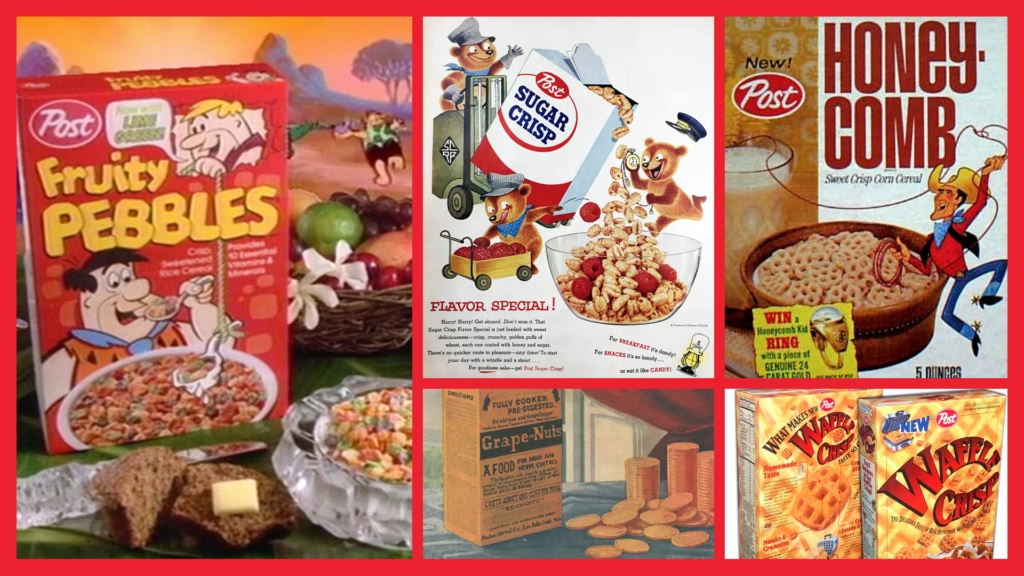
Few foods spark nostalgia quite like breakfast cereal.
A familiar cereal box can take us back to childhood mornings, family routines, and the moments that made growing up memorable.
While countless cereals have come and gone over the years, a select few have earned lasting places in food culture. Their recipes, packaging, and personalities may have evolved, but they continue to inspire fond memories across generations.
Five Post Consumer Brands cereals tell that story particularly well: Grape-Nuts™, PEBBLES™, Golden Crisp™, Honey-Comb™, and Waffle Crisp™. Together, they represent different eras of breakfast history and different kinds of nostalgia.
Grape-Nuts: The Pioneer
Introduced by C.W. Post in 1897, Grape-Nuts cereal arrived during a period when Americans were beginning to embrace convenient breakfast foods. More than 125 years later, it remains one of the oldest cereal brands still available.
Part of the cereal’s appeal has always been its simplicity. Originally made from wheat and barley, Grape-Nuts cereal developed its signature crunch through a unique process that baked dough into sheets before breaking it into small nuggets. Outside of some modernization, the core formula and the core process of how the cereal is made has stood the test of time and remains in place today.
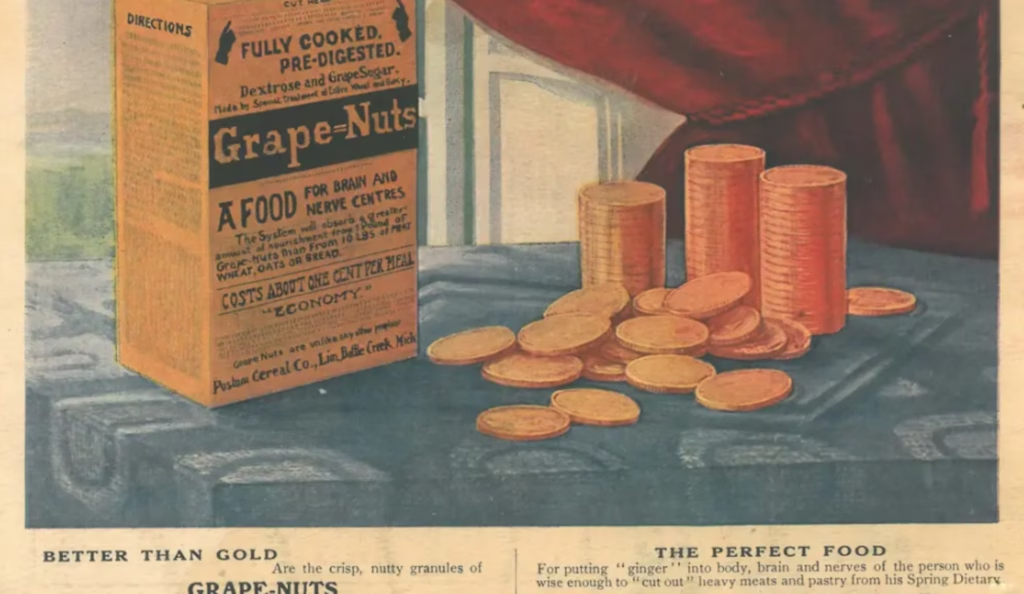
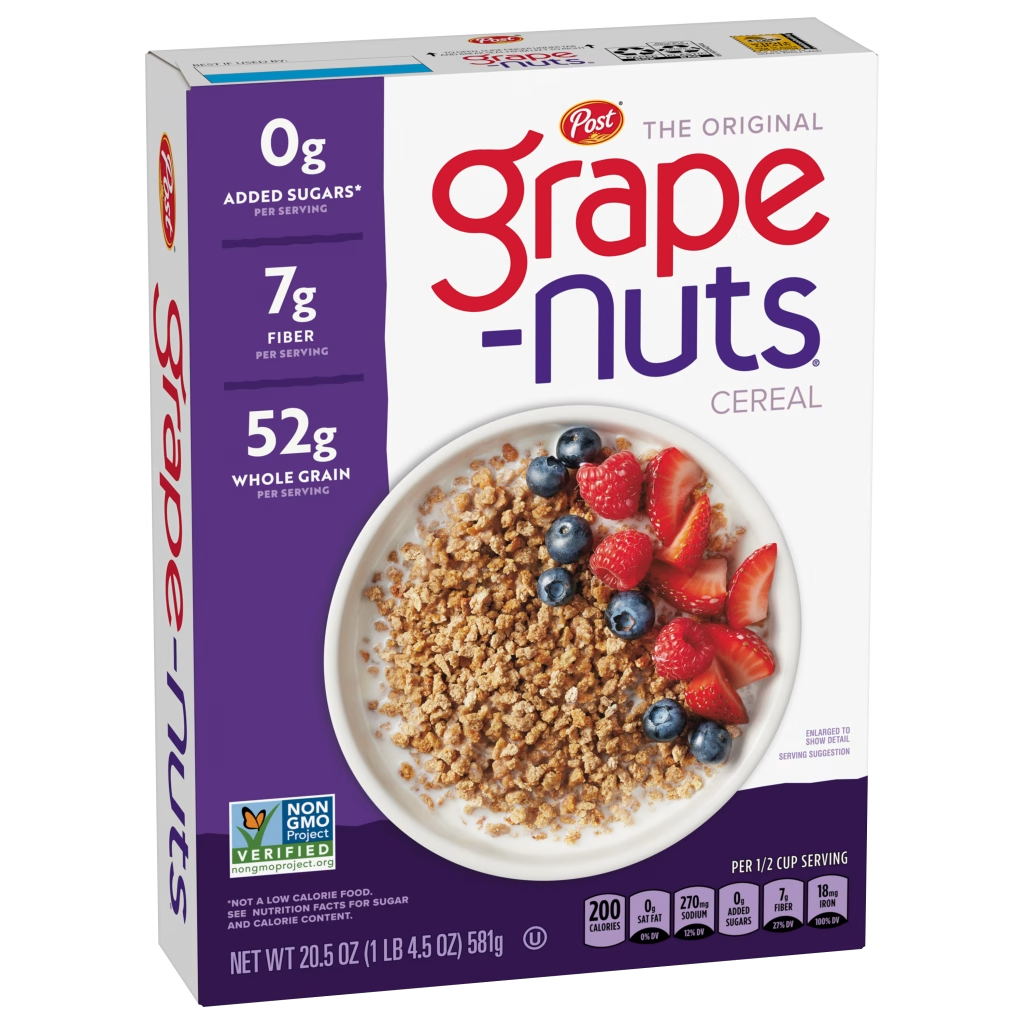
One of the best ways to trace the history of Grape-Nuts cereal is through its packaging.
- Early 1900s: Early boxes emphasized nutrition, wellness, and energy, reflecting the era’s growing interest in convenient, health-focused breakfast foods.
- 1930s–1950s: Packaging began highlighting achievement and discovery. Some boxes featured maps and references to Admiral Richard Byrd’s Antarctic expeditions, which the brand helped sponsor.
- 1960s–1980s: As cereal aisles became increasingly colorful and character-driven, Grape-Nuts took a different path. Packaging focused on whole grains, fiber, and nutrition rather than mascots or flashy graphics.
- Today: Modern packaging combines updated design with a nod to the cereal’s long history. While the design has evolved over time, it continues to emphasize the cereal’s simple ingredients, whole-grain nutrition, and longstanding place in breakfast history.
Then
Now
PEBBLES™: The Pop Culture Pioneer
While Grape-Nuts cereal helped build the foundation of the cereal category, PEBBLES helped transform it.
In 1971, Fruity PEBBLES and Cocoa PEBBLES cereal became the first cereal brands built around licensed television characters. Featuring Fred Flintstone, Barney Rubble, and the rest of The Flintstones cast, the cereals brought one of America’s most beloved cartoons directly to the breakfast table.
Made from crispy rice flakes and available in fruity and cocoa flavors, the cereal offered a texture and taste unlike many of the cereals on store shelves at the time. The combination of bold colors, crunchy flakes, and familiar characters helped turn PEBBLES cereal into a breakfast favorite for generations of families.
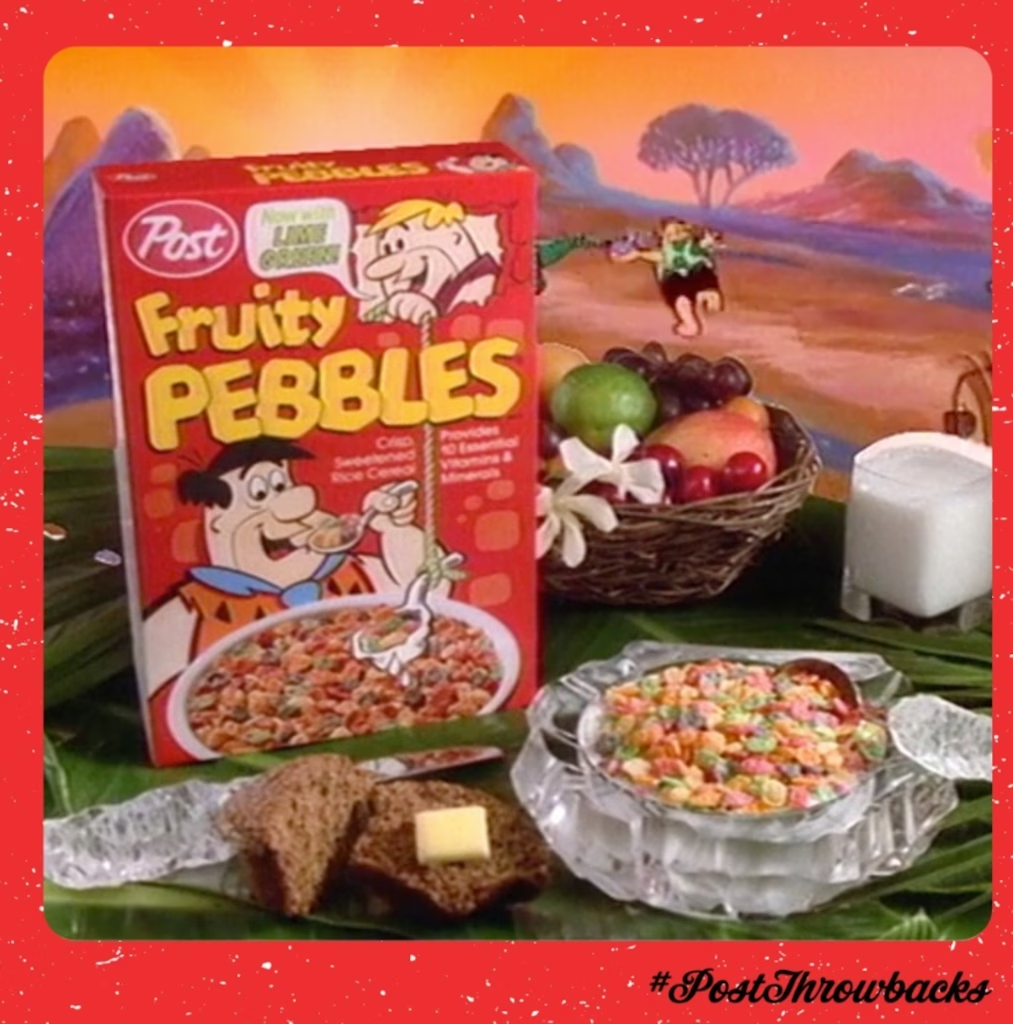
No matter the decade, few cereal boxes are as instantly recognizable as PEBBLES. Its packaging has evolved alongside the generations that grew up enjoying it:
- 1970s: Early boxes featured Fred Flintstone front and center, highlighting the cereal’s connection to The Flintstones. At the time, building an entire cereal brand around television characters was a groundbreaking concept.
- 1980s–1990s: As cereal aisles became increasingly competitive, PEBBLES packaging embraced bold colors, oversized logos.
- 2000s: Additional Flintstones characters became more prominent on packaging, helping keep the brand fresh while maintaining its connection to the world of Bedrock.
- Today: Modern packaging continues to honor the brand’s legacy through special-edition releases, like Birthday Cake PEBBLES and Cinnamon PEBBLES cereal, and updated designs. Recent boxes have spotlighted characters such as Wilma Flintstone, Betty Rubble, and Pebbles Flintstone, celebrating the cereal’s long-standing place in pop culture.
Then
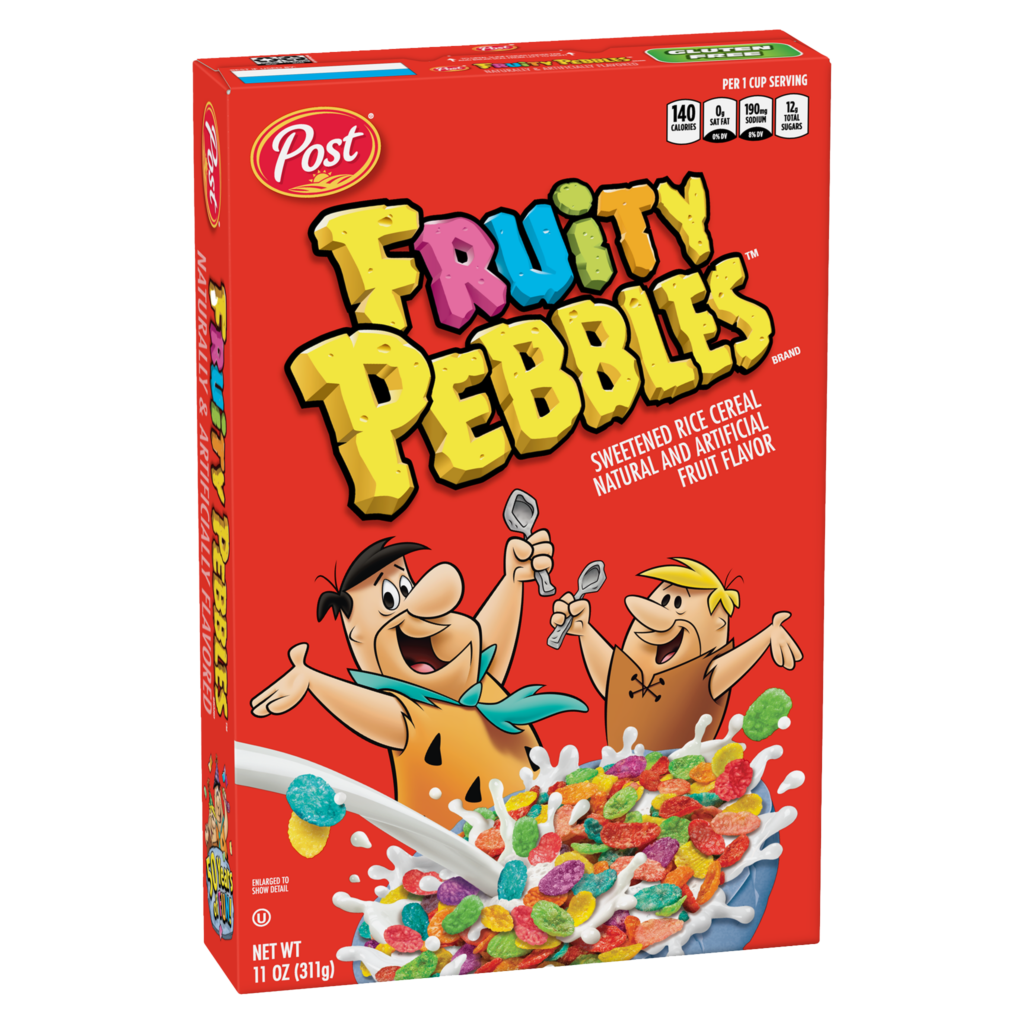
Now
Golden Crisp: The Mascot Era
Long before licensed characters and celebrity partnerships became common, cereal mascots helped bring personality to the breakfast table.
Originally introduced as Sugar Crisp cereal in 1949, Golden Crisp cereal quickly became known for its mascot Sugar Bear, one of the most recognizable cereal characters of the twentieth century. Over the decades, the laid-back bear became just as iconic as the cereal itself.
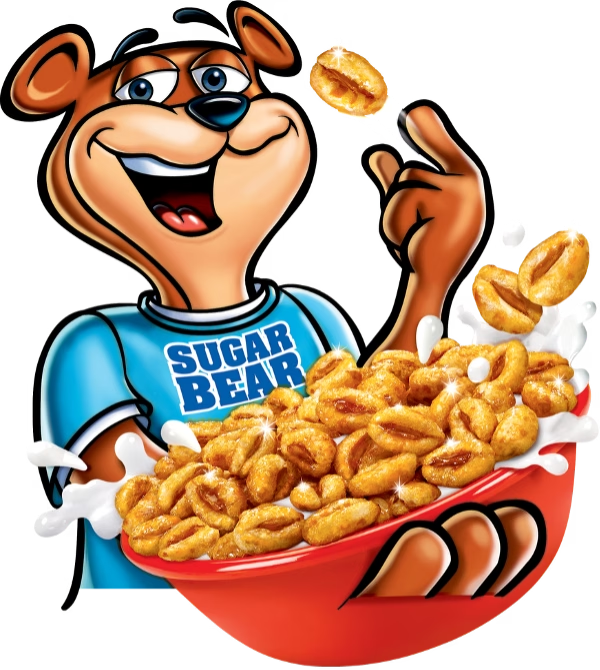
Like many classic cereals, Golden Crisp cereal evolved alongside changing tastes while still maintaining the light, crispy puffed wheat cereal that consumers loved.
The evolution of Golden Crisp cereal packaging reflects the growing importance of cereal mascots in American Culture:
- 1940s-1950s: Early boxes featured multiple bear characters known as Dandy, Handy, and Candy, who appeared in comic strips and promotional materials.
- 1960s-1980s: Sugar Bear became the sole star of the brand, appearing prominently on boxes and in memorable advertising that made him one of the cereal aisle’s most recognizable characters.
- 1990s-2000s: Packaging continued to spotlight Sugar Bear with updated logos and graphics.
- Today: Modern boxes still prominently feature Sugar Bear, continuing one of the longest-running mascot-cereal relationships in breakfast history.
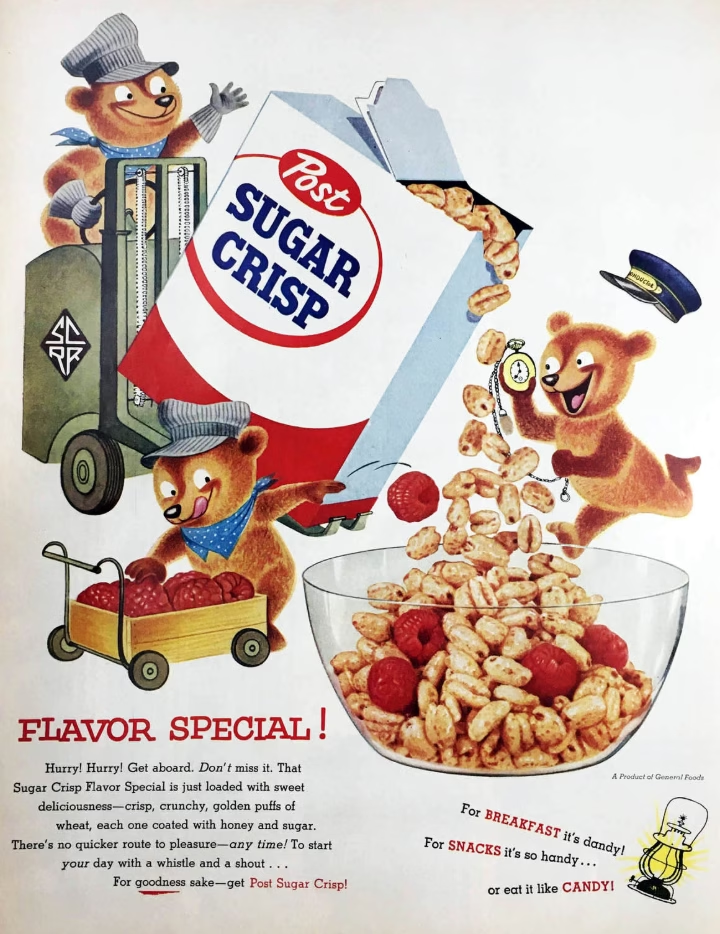
Then
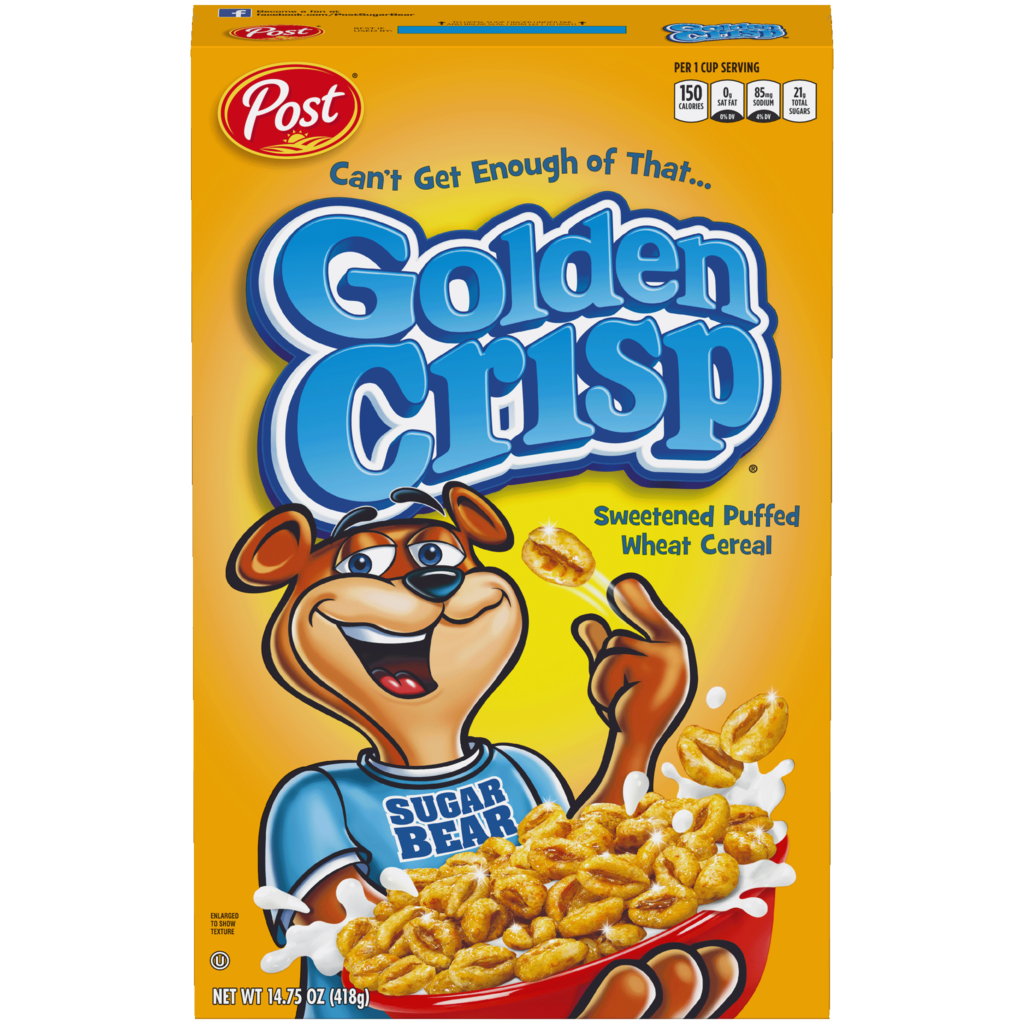
Now
Honey-Comb: Larger-Than-Life Packaging and Personality
When Honey-Comb cereal arrived in 1965, it offered something entirely different from many cereals already on the market. With its large, honeycomb-shaped pieces and sweet flavors, it stood out immediately on grocery shelves.
Over the years, Honey-Comb cereal became known not only for its distinctive shape and taste, but also for the imaginative characters that helped bring the brand to life.
The evolution of Honey-Comb cereal packaging and advertising reflects the bold imagination that pairs so well with a nostalgic cereal:
- 1960s: Early boxes highlighted the cereal’s large honeycomb-shaped pieces, helping establish a visual identity that remains recognizable today. The Honeycomb kid becomes one of the brand’s most memorable characters, appearing as a cowboy who always found a way to deliver Honey-Comb no matter what obstacle he faced.
- 1970s: The cereal built on its big personality in the famous “Honeycomb Hideout” commercials, featuring a secret safe haven where kids hid to eat their favorite cereal.
- 1990s-2000s: The introduction of Crazy Craving brought a new character to the brand. Known for his memorable catchphrase “Me want Honey-Comb,” the wild-haired character quickly became a favorite among kids who grew up in the 90s.
- Today: Modern packaging continues to celebrate the cereal’s signature honeycomb shape, large logos, and an updated design.
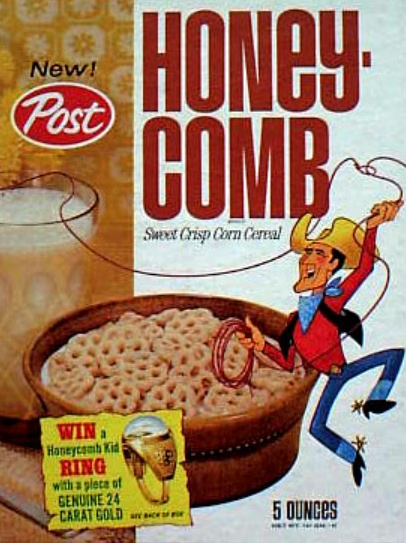
Then
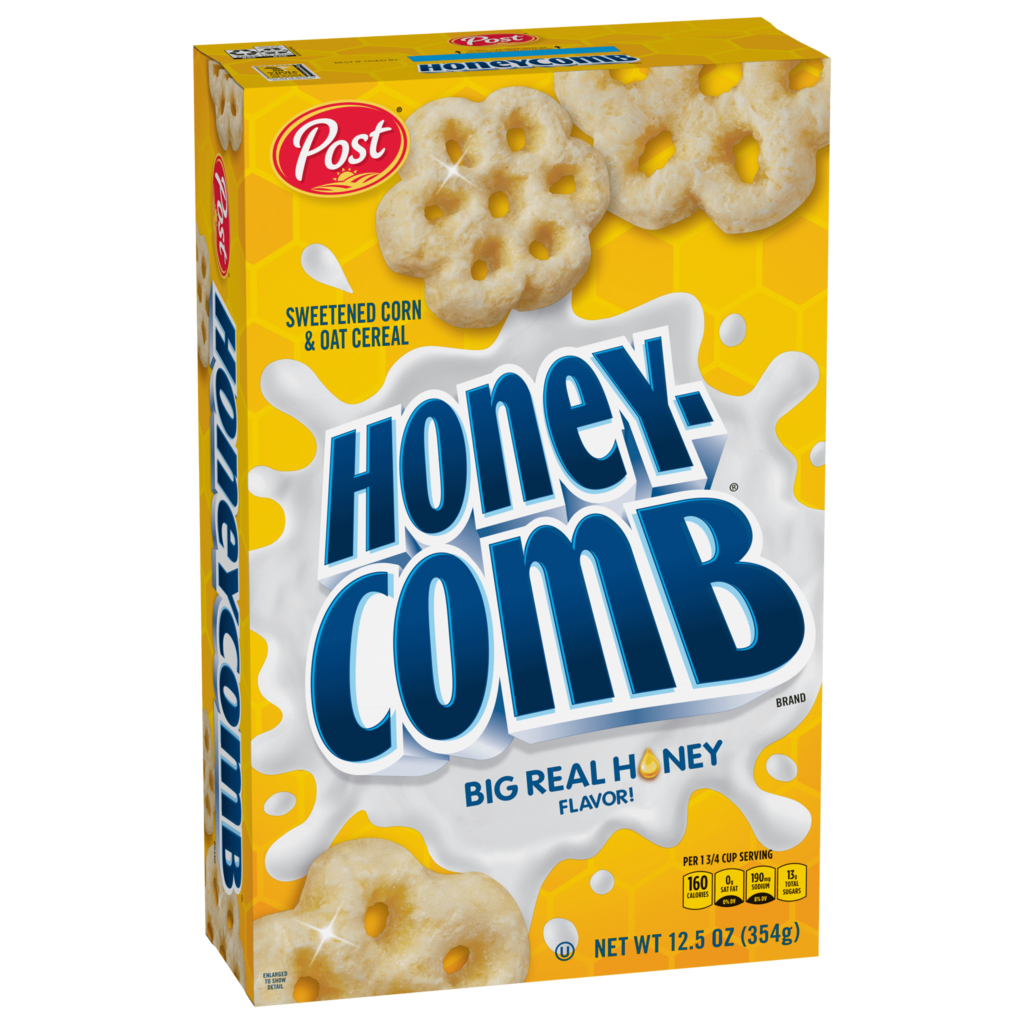
Now
Waffle Crisp: A 90s Classic
Waffle Crisp cereal fully embodies the creativity and experimentation of the 1990s.
Introduced in 1996, Waffle Crisp cereal was designed to recreate the flavor of warm waffles topped with maple syrup. At a time when cereal makers were increasingly experimenting with new flavors and concepts, it offered something unique: the experience of a favorite breakfast food transformed into cereal form.
Part of its appeal was visual. Unlike many cereals that relied on licensed characters, Waffle Crisp looked exactly like its name suggested. The miniature waffle-shaped pieces featured a recognizable grid pattern that immediately set the cereal apart.
The evolution of Waffle Crisp’s cereal packaging reflects the cereal’s bold, playful spirit:
- 1996: Early boxes embraced larger-than-life design trends of the decade, featuring bright colors, oversized logos, and playful graphics designed to stand out on crowded cereal shelves.
- 2000s: As it gained popularity, the boxes became even more energetic and character driven. A popular “mascot” often found on the box or in its commercials was a group of “grannies” who make the cereal taste “like homemade waffles.”
- Today: The packaging today strikes a careful balance between modernization and nostalgia. While the design evolved, many of the visual elements that longtime fans remembered — like the logo and waffle-inspired imagery — remain intact.
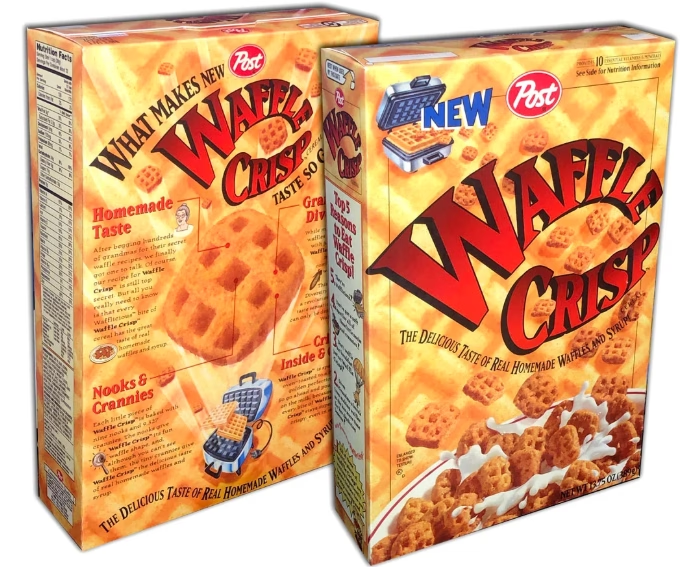
Then
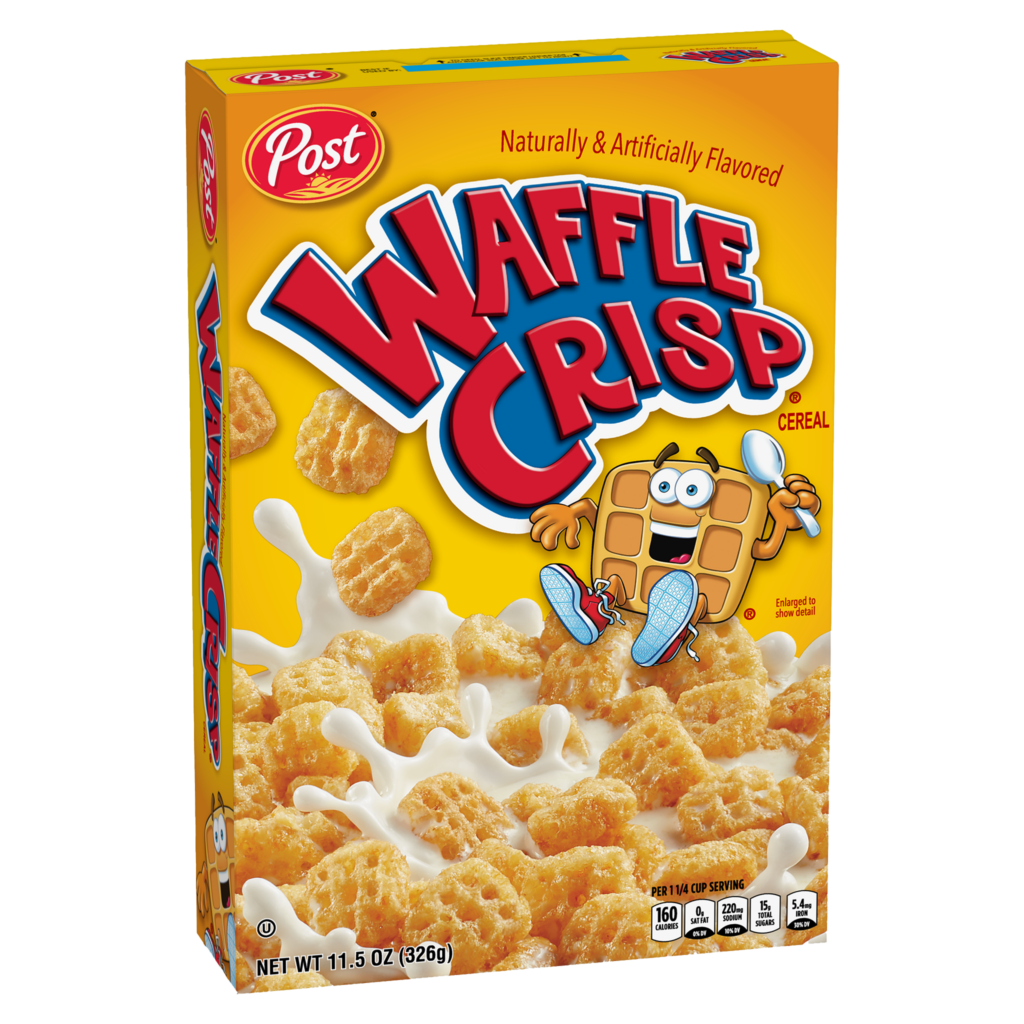
Now
More Than Just Breakfast
Although each of these cereals differs in taste, they all bring back a sense of nostalgia for cereal lovers.
Grape-Nuts cereal reflects the beginnings of modern cereal and a time when simplicity defined innovation. PEBBLES cereal captures the rise of television, character licensing, and the growing connection between entertainment and food. Golden Crisp cereal reminds us of the golden age of cereal mascots. Honey-Comb cereal reflects the imagination that helps define childhood, and Waffle Crisp cereal represents the bold creativity and larger-than-life cereal aisle of the 90s.
Their recipes, packaging, and marketing have changed over time, but the memories they inspire remain remarkably similar. That’s what makes nostalgic cereals special. They’re more than a breakfast food, they’re reminders of family kitchens, favorite routines, and the moments that shape generations.
THE FLINTSTONES and all related characters and elements © & ™ Hanna-Barbera. (s26)